Visa Sponsorship Jobs in Malta: 2026 Guide
How to find legal work and secure your Single Permit in Malta this year.
- #2026 Guide
- #Foreign Workers
- #Malta
- #Visa Sponsorship
- #Work Permit
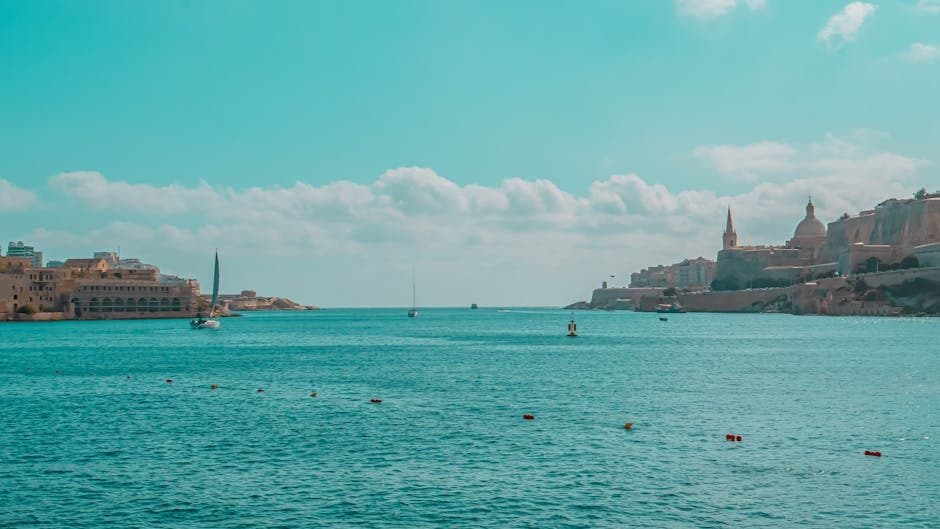
Visa Sponsorship Jobs in Malta: 2026 Guide
Malta remains one of the most popular destinations for foreign workers seeking English-speaking environments within the European Union. At SeasonalJobsInEurope.com, we help you find safe and legal ways to work abroad. If you are looking for visa sponsorship, it is vital to use trusted platforms like MEUSEPF.org and EUSEPS.org to ensure your employment contract is valid and your rights are protected.
Inferred nationality: General Non-EU (Third Country Nationals).
Understanding Malta's Visa Sponsorship Rules
To work in Malta as a non-EU citizen, you generally need a Single Permit. This document combines your work and residence permit into one. The process is employer-led, meaning you must find a job first, and the employer must prove they could not find a suitable candidate from Malta or the EU. This is known as the labor market test conducted by Jobsplus Malta.
For 2026, Malta has updated its specialized pathways to attract talent faster:
- Key Employee Initiative (KEI): For highly technical or managerial roles. It offers a fast-track processing time of just 5 working days for the initial application.
- Specialist Employee Initiative (SEI): For relevant professionals who may not meet the high salary threshold of the KEI but possess specific skills needed in the Maltese market.
- General Single Permit: The standard route for hospitality, construction, and healthcare workers.
If you want to compare these options with other countries, see our guide on Jobs in Europe for Foreigners with Visa Sponsorship.
The Sponsorship Process for 2026
The process for obtaining visa sponsorship in Malta involves several steps between you, your employer, and the government agency Identità. In 2026, most applications are submitted online by the employer while the worker is still in their home country.
| Visa Type | Min. Salary Requirement | Processing Time | Target Workers |
|---|---|---|---|
| Single Permit (General) | €12,000 - €18,000 (Estimate) | 2–4 Months | Hospitality, Care, Construction |
| Specialist Employee (SEI) | €25,000+ | 15 Working Days | Tech, Finance, Skilled Trades |
| Key Employee (KEI) | €35,000+ | 5 Working Days | Managers, Senior Developers |
Note: Salary estimates are based on 2025 cost-of-living adjustments and Jobsplus data. The national minimum wage in Malta for 2026 is estimated at approximately €925.34 per month.
Related Opportunities

Top Sectors for Sponsored Jobs in Malta
Malta has specific labor shortages that make visa sponsorship more likely for foreign workers. Employers in these sectors are more willing to handle the paperwork because they need staff immediately.
1. Hospitality and Tourism
With a massive tourism industry, hotels and restaurants constantly need chefs, waiters, and housekeepers. This is often seasonal work. To find the best time to apply, check the Best Months to Work in Europe: Seasonal Calendar by Country.
2. Healthcare and Social Care
There is a high demand for nurses and personal care assistants. Many private care homes provide full visa sponsorship for qualified candidates from outside the EU.
3. iGaming and Fintech
Malta is a global hub for online gaming. These companies often use the KEI or SEI routes to bring in developers, data analysts, and compliance officers quickly.
Step-by-Step Application Guide
- Secure a Job Offer: You cannot apply for a work visa yourself. You must have a signed contract from a Maltese company. Use EUSEPS.org to find verified employers.
- Employer Application: Your employer submits the Single Permit application to Identità. They must include your passport copy, qualifications, and the Jobsplus vacancy report.
- Still-Abroad Approval: Once approved, you receive an "Approval in Principle" letter. This allows you to apply for a D-Visa at a Maltese embassy or VFS Global center.
- Arrival and Biometrics: After arriving in Malta, you visit the Identità offices to give your biometric data. Your physical residence card is usually mailed to you within 2–3 weeks.
Always stay aware of your rights during this process. If an employer asks for money for the visa or withholds your passport, refer to our Worker Rights: Unpaid Wages & Contract Breaches Guide immediately.
Looking for seasonal work?
Browse hundreds of verified visa-friendly positions across Europe.
Success Rates and Common Rejections
The approval rate for Maltese work permits is generally high if the paperwork is correct. However, rejections often happen for the following reasons:
- Incomplete Documentation: Missing police conduct certificates or unverified diplomas.
- Labor Market Test Failure: The employer failed to show they tried to hire locally first.
- Salary Discrepancies: The offered salary does not meet the minimum requirements for that specific job category.
Frequently Asked Questions
How much does a Malta work visa cost?
The application fee for a Single Permit is €280.50. This is usually paid to Identità at the time of application.
Do I need to speak Maltese?
No. English is an official language in Malta and is the primary language used in business and the hospitality sector.
Is accommodation provided?
Some seasonal hospitality jobs include housing, but most office-based roles do not. Rent in Malta can be high, so always clarify this with your employer before signing.
Ready to start your career in Malta? Ensure your journey is safe and legal by visiting MEUSEPF.org for worker protection resources and EUSEPS.org to find verified visa sponsorship jobs in Europe.

Related Guides

How to find job in europe: 2026 Work & Visa Guide
A complete guide to finding legal work, securing visas, and starting your career in the European Union.

IT Jobs in Portugal: 2026 Visa & Salary Guide
Your fast-track guide to tech roles, visa sponsorship, and 2026 salary expectations in Portugal.
Jobs in Croatia for Indians: 2026 Visa & Salary Guide
How to find safe work in Croatia with the new 2026 rules.
Available Jobs

Greenhouse & Hydroponics Technician
Agrios Verde · PT
Quality Control & Packaging Specialist
Agrios Verde · PT

Solar Irrigation System Operator
Agrios Verde · PT

Export Logistics & Orders Coordinator
Agrios Verde · PT