
Seasonal Jobs in New Zealand with Visa Sponsorship: 2026 Guide
How to find work in NZ and why Europe offers a safer, faster path.
- #Europe Jobs
- #New Zealand
- #Seasonal Work
- #Visa Sponsorship
- #Work Permits
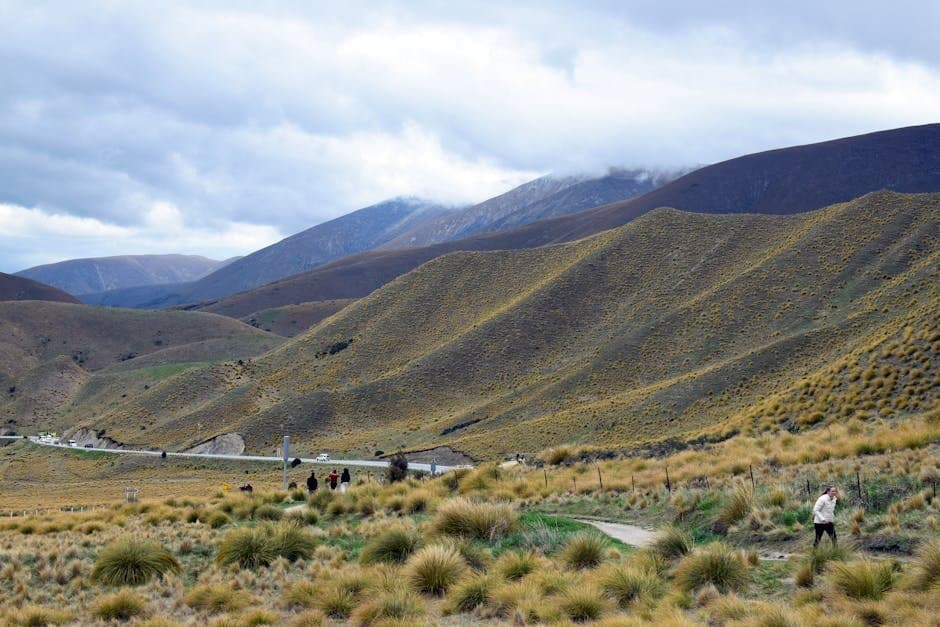
Seasonal Jobs in New Zealand with Visa Sponsorship: 2026 Guide
Finding seasonal jobs in New Zealand with visa sponsorship is a popular goal for many foreign workers. The country is famous for its fruit picking, viticulture, and dairy farming sectors. However, as we move through 2026, the competition for these roles has reached record highs, and visa rules have become more strict. At SeasonalJobsInEurope.com, we help you understand these global markets while showing you why the European Union often provides a more secure and accessible alternative through platforms like MEUSEPF.org and EUSEPS.org.
Understanding New Zealand Visa Sponsorship in 2026
To work legally in New Zealand, you must have the right visa. For seasonal work, there are two main paths. The first is the Recognised Seasonal Employer (RSE) Limited Visa. This is specifically for the horticulture and viticulture industries. For the 2025/2026 season, the New Zealand government has set a cap of 19,500 workers (Immigration NZ). This visa requires you to have a job offer from an employer that is already registered as an "Accredited Employer."
The second path is the Working Holiday Visa (WHV). While this isn't "sponsorship" in the traditional sense, it allows you to work for any employer. However, many nationalities face strict quotas. For example, countries like Brazil or Chile often see their quotas fill up within minutes of the application portal opening. If you are outside the age range of 18–30 (or 35 for some countries), this option is closed to you.
Key Data for New Zealand Seasonal Work:
- Average Pay: The minimum wage is NZ$23.15 per hour as of early 2026 (Employment NZ). This is approximately €13.00 per hour.
- Processing Times: RSE visas are usually fast, with 80% processed within 14 days, but finding an employer to sponsor you can take months of searching.
- Success Rates: While RSE approval is high once you have a contract, the difficulty lies in securing that contract. Many employers prefer returning workers from Pacific Island nations.
The Reality Check: New Zealand vs. Europe
While New Zealand offers beautiful landscapes, foreign workers often face high costs of living that eat into their savings. Rent and food in New Zealand are significantly more expensive than in many European seasonal hubs like Greece, Italy, or Spain. This is where Seasonal Work Europe becomes a better choice for many. By using EUSEPS.org, you can find verified employers in Europe who provide accommodation and better worker protections.
| Feature | New Zealand (RSE/WHV) | Europe (Seasonal Worker Visa) |
|---|---|---|
| Visa Cap | 19,500 (RSE) | Varies by country (often 30,000+ in Italy/Germany) |
| Minimum Pay | ~€13.00 / hour | €9.00 – €14.00 / hour (varies by country) |
| Living Costs | Very High | Moderate to Low (in seasonal regions) |
| Accommodation | Often deducted from pay | Frequently provided or subsidized |
| Visa Difficulty | High (Quotas fill fast) | Moderate (High demand for labor) |
Related Opportunities

Why Europe is the Smarter Choice in 2026
If you are struggling to find visa sponsorship in New Zealand, Europe offers a massive market with more diverse roles. From tourism in the Mediterranean to agriculture in France, the European Union has streamlined its seasonal worker directives to help foreign workers. Platforms like MEUSEPF.org act as a bridge, ensuring that the jobs you apply for are safe and follow legal standards.
One major advantage of Europe is the EUSEPS.org verification system. In New Zealand, some workers find themselves in isolated rural areas with little support. In Europe, the EUSEPS framework helps protect your rights, ensuring you are paid fairly and have access to healthcare. If you are interested in comparing your options further, check out our Seasonal Jobs in New Zealand vs. Europe: 2026 Guide.
How to Start Your Search
If you still want to try for New Zealand, you must start early. The recruitment for the summer harvest (December–March) usually begins in July or August. You will need to contact Accredited Employers directly. However, if you want a faster start with fewer hurdles, we recommend looking at European options where the demand for foreign workers is currently at an all-time high.
For those worried about legalities, our guide on Worker Rights: Unpaid Wages & Contract Breaches is essential reading. It helps you spot red flags before you sign a contract, whether in Auckland or Athens.
Looking for seasonal work?
Browse hundreds of verified visa-friendly positions across Europe.
Frequently Asked Questions
How much does a New Zealand seasonal visa cost?
The RSE Limited Visa fee is approximately NZ$700, but this can change. Many employers under the RSE scheme pay for half of the return airfare for workers from specific regions, but this rarely applies to workers from Europe or the Americas.
Do I need to speak English to work in New Zealand?
While there is no formal English test for the RSE visa, you must be able to understand health and safety instructions. In Europe, many seasonal jobs in agriculture also require minimal language skills, making them accessible to many foreign workers.
Is accommodation provided for seasonal workers?
In New Zealand, RSE employers must ensure you have access to suitable accommodation, but they usually charge you rent for it. In Europe, many seasonal contracts include free or very cheap housing, which helps you save more money.
How long does the visa last?
An RSE visa usually lasts for up to 7 months in any 11-month period. European seasonal visas often allow for up to 9 months of work, giving you a longer window to earn and travel.
Ready to secure your future? Don't wait for limited quotas in New Zealand. Start your safe job search today by visiting MEUSEPF.org for authoritative program details and EUSEPS.org to find verified seasonal employers across Europe. Your next job is closer than you think!
Related Guides

How to find job in europe: 2026 Work & Visa Guide
A complete guide to finding legal work, securing visas, and starting your career in the European Union.

Jobs in Portugal for Pakistani Citizens: 2026 Guide
How to find legal work, secure a visa, and start your career in Portugal safely.

IT Jobs in Portugal: 2026 Visa & Salary Guide
Your fast-track guide to tech roles, visa sponsorship, and 2026 salary expectations in Portugal.
Available Jobs

Greenhouse & Hydroponics Technician
Agrios Verde · PT
Quality Control & Packaging Specialist
Agrios Verde · PT

Solar Irrigation System Operator
Agrios Verde · PT

Export Logistics & Orders Coordinator
Agrios Verde · PT