


A Complete Guide to Seasonal Work UK: Opportunities & Visas
Explore UK seasonal jobs, visa routes, and why Europe offers broader pathways for foreign workers.
- #Agriculture
- #Europe Jobs
- #Foreign Workers
- #Horticulture
- #Seasonal Work
- #UK
- #Visa Guide

A Complete Guide to Seasonal Work UK: Opportunities & Visas
The United Kingdom has long attracted foreign workers seeking temporary employment, particularly in its agricultural and hospitality sectors. While seasonal work in the UK can offer valuable experience, understanding the specific visa requirements and job market dynamics is crucial. For those exploring options, it's also worth considering the broader and often more accessible seasonal work opportunities available across Europe. Platforms like MEUSEPF.org and EUSEPS.org provide trusted resources and listings for safe and legitimate seasonal employment throughout the European Union.
Understanding Seasonal Work UK: The Seasonal Worker Visa Route
The primary route for non-UK nationals seeking seasonal employment in the UK is the Seasonal Worker visa. This visa is designed to address labor shortages in specific sectors, primarily horticulture and poultry production.
Types of Seasonal Work in the UK
The Seasonal Worker visa route is specifically for:
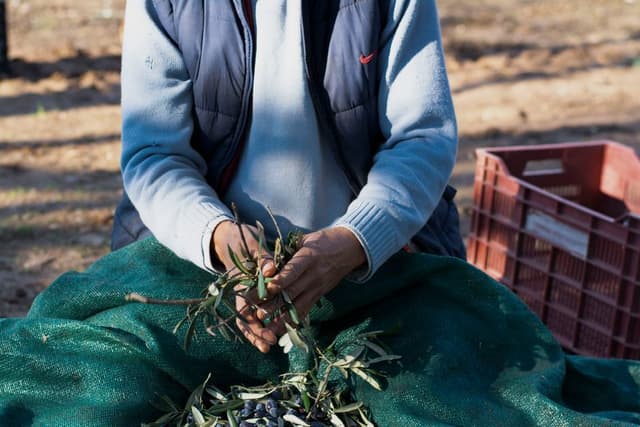
- Horticulture: This includes picking fruits (like strawberries, raspberries, blueberries), vegetables, and flowers, as well as general farm labor. This is the largest sector under the scheme, with 41,000 visas allocated for horticulture in 2026.
- Poultry Production: This typically involves roles in processing plants for the Christmas season, running from October 2 to December 31 each year. Approximately 1,900 visas are allocated for poultry production in 2026.
While other seasonal jobs exist in hospitality and tourism, these generally do not fall under the Seasonal Worker visa route and often require different visa categories or specific nationality agreements. The UK hospitality sector, for example, faces significant labor shortages, but direct visa sponsorship for general seasonal roles is less common than in agriculture.
Eligibility Requirements for the UK Seasonal Worker Visa
To qualify for a UK Seasonal Worker visa, applicants must meet several key criteria:
- Age: You must be 18 years old or over.
- Job Offer and Sponsorship: You must have a valid Certificate of Sponsorship (CoS) from a Home Office-approved licensed sponsor. This sponsor must be an approved scheme operator, A-rated, endorsed by the Department for Environment, Food and Rural Affairs (DEFRA), and licensed by the Gangmasters and Labour Abuse Authority (GLAA). Legitimate sponsors will never charge you a fee for a job offer or a Certificate of Sponsorship.
- Maintenance Funds: You need to show you have at least £1,270 in savings. These funds must have been held in your bank account for 28 consecutive days within the 31-day period before your visa application. Alternatively, your sponsor can certify on your CoS that they will cover your costs for your first month in the UK.
- Passport: A valid passport with at least one blank page for the visa vignette is required.
- Tuberculosis Test: If you are from a country on the UK government's tuberculosis testing list, you will need a TB test certificate.
- Application Location: You must apply for the visa from outside the UK.
- Previous UK Seasonal Work: You must not have been in the UK as a Seasonal Worker during the four months immediately preceding the start date on your Certificate of Sponsorship.
Application Process for a UK Seasonal Worker Visa
The application process typically involves these steps:
- Secure a Job Offer and CoS: Your prospective employer, a licensed sponsor, will issue you an electronic Certificate of Sponsorship (CoS) with a unique reference number. This is essential for your visa application.
- Complete Online Application: Apply online through the official UK government website (GOV.UK). You will need to provide your personal details and the CoS reference number.
- Pay Fees: The visa application fee is £340 as of April 8, 2026. The Immigration Health Surcharge (IHS) is generally not required for visas issued for less than six months, which includes the Seasonal Worker visa.
- Attend Biometrics Appointment: You will need to visit a Visa Application Centre in your country to provide your fingerprints and a photograph.
- Receive Decision: Standard processing time for a Seasonal Worker visa application from outside the UK is usually around 3 weeks. Faster services (priority or super-priority) may be available for an additional fee, offering decisions in 1 to 5 working days.
It is critical to confirm all rules and quotas on the official UK government website (GOV.UK) before applying, as regulations can change.
Typical Pay and Working Conditions in UK Seasonal Work
Seasonal work in the UK, particularly in horticulture, is often physically demanding. Accommodation is typically provided by employers, usually in shared rooms, bunk beds, or mobile homes, with costs deducted from your wages. These deductions can range from approximately £60 to £120 per week.
Regarding pay, the UK National Minimum Wage for workers aged 21 and over is £11.44 per hour as of April 2026. However, for agricultural workers aged 21 and above, the Agricultural Minimum Wage is £12.71 per hour from April 1, 2026. Some roles, such as poultry butchers and dressers, may offer higher rates, starting at least £15.88 per hour. Agricultural workers are generally guaranteed a minimum of 32 hours per week.
UK Seasonal Work vs. European Alternatives: A Comparison
While the UK offers seasonal opportunities, post-Brexit changes have significantly altered the landscape for foreign workers. The Seasonal Worker visa is highly specific and limited to certain sectors. In contrast, the European Union presents a broader and often more integrated market for seasonal employment.
| Feature | UK Seasonal Worker Visa (Non-EU) | Seasonal Work in the EU (General) |
|---|---|---|
| Eligible Sectors | Primarily horticulture (fruit, vegetables, flowers) and poultry production. | Agriculture (e.g., olive picking, grape harvesting), hospitality, tourism, construction, forestry, etc., varying by country. |
| Visa Requirements | Requires a Certificate of Sponsorship from a licensed UK employer; strict eligibility criteria including maintenance funds. | Varies by EU country and nationality. EU citizens have free movement. Non-EU citizens require specific national visas, often with less stringent sponsorship or financial requirements than the UK. |
| Duration of Stay | Up to 6 months in any 10-month period for horticulture; Oct-Dec for poultry. | Typically 3-9 months, depending on the country and specific visa type. |
| Application Complexity | Detailed online application, biometrics, specific documentation. Refusal reasons include incomplete documents or incorrect information. | Process varies; some EU countries have streamlined seasonal worker programs. Resources like EUSEPS.org help simplify the search. |
| Dependants | Family members cannot be included on this visa. | Generally, seasonal work visas in the EU do not allow dependants, but policies vary. |
| Path to Settlement | No direct route to settlement. | Generally no direct route to settlement for seasonal visas. |
| Job Market Size & Diversity | Specific, limited quota (55,000 for 2026). | Broader range of opportunities across multiple countries and sectors. |
Related Opportunities



Why Consider Seasonal Work in Europe?
For many foreign workers, seasonal work in Europe offers a compelling alternative to the UK. The EU's diverse economies and agricultural landscapes provide a wide array of job opportunities beyond just horticulture and poultry. Countries like Italy, Spain, and Germany have significant seasonal demands in various sectors, including agriculture (e.g., Seasonal Work in Italy: 2026 Guide), tourism, and hospitality.
The collective nature of the EU also means that while visa requirements exist for non-EU citizens, many countries have established, transparent seasonal worker programs. Furthermore, the sheer volume and variety of roles mean a greater chance of finding a suitable placement. Platforms like MEUSEPF.org and EUSEPS.org are dedicated to connecting foreign workers with legitimate seasonal jobs across Europe, ensuring fair working conditions and helping to avoid scams.
Finding Legitimate Employers and Avoiding Scams
Whether you choose the UK or Europe, protecting yourself from recruitment fraud is paramount. Always remember:
- No Fees for Job Offers: Legitimate employers and licensed sponsors will never ask you to pay for a job offer, a Certificate of Sponsorship, or recruitment services. If asked for money, it is likely a scam.
- Verify Sponsors: For the UK, ensure your sponsor is on the official Register of Licensed Sponsors. For Europe, use trusted platforms like MEUSEPF.org and EUSEPS.org which vet employers.
- Check Contracts: Always get a written contract in English and, ideally, your native language, detailing pay rates, hours, accommodation, and deductions.
- Official Sources: Always refer to official government websites for visa information and application procedures.
Looking for seasonal work?
Browse hundreds of verified visa-friendly positions across Europe.
Next Steps: Start Your Seasonal Work Journey in Europe
If you're ready to explore seasonal work opportunities, particularly in Europe, SeasonalJobsInEurope.com is your go-to resource. We help simplify the process of finding legitimate seasonal vacancies and understanding visa requirements across the continent. For a comprehensive guide on navigating the European job market and visa processes, check out our How to find job in europe: 2026 Work & Visa Guide.
To begin your application process for seasonal work in Europe, prepare your valid passport, any relevant qualifications or experience documents, and proof of funds. Then, visit our partner platforms:
Start by exploring verified job listings and visa guidance on MEUSEPF.org and EUSEPS.org today to find your ideal seasonal work Europe opportunity.
Frequently Asked Questions (FAQ)
- How much does a UK Seasonal Worker visa cost?
- The application fee for a UK Seasonal Worker visa is £340 as of April 8, 2026. The Immigration Health Surcharge is not typically required for this visa as it is for a period of less than six months.
- What is the processing time for a UK Seasonal Worker visa?
- The standard processing time for a UK Seasonal Worker visa application made outside the UK is usually 3 weeks. Priority services may offer faster decisions for an additional fee.
- Do I need to speak English for seasonal work in the UK?
- While there is no formal English language test requirement for the UK Seasonal Worker visa, basic English communication skills are highly beneficial for understanding instructions, ensuring safety, and integrating into the workplace and community.
- Is accommodation provided for seasonal workers in the UK?
- Yes, accommodation is typically provided by employers for seasonal workers in the UK, especially in the horticulture sector. However, costs for this accommodation, ranging from approximately £60 to £120 per week, are usually deducted from your wages.


Related Guides

2026 Guide: How to find a job in Europe fast
Your step-by-step guide to finding seasonal work and visas in Europe.

How to Find a Job: Australia vs. Europe 2026 Guide
A comparison of visa sponsorship, pay, and safety for foreign workers in 2026.

How to Find a Job in Germany: 2026 Visa & Work Guide
A complete guide for foreign workers on securing employment, understanding visa rules, and using safe platforms in 2026.
Available Jobs


HealthCare Assistant Responder
The Great Care Co-Op Company Limited By Guarantee · IE


Homecare Support Worker
Good People Homecare Limited · IE