


Seasonal Jobs Abroad: 2026 Guide to Working in Europe
Find safe, high-paying seasonal work abroad with our 2026 guide to European visas and job markets.
- #2026 jobs
- #europe jobs
- #seasonal work
- #visa guide
- #working abroad

Seasonal Jobs Abroad: 2026 Guide to Working in Europe
Finding seasonal jobs abroad is a popular way to see the world while earning money. In 2026, Europe remains the top choice for foreign workers due to strong labor laws and high demand in tourism and agriculture. At SeasonalJobsInEurope.com, we help you find legitimate work while avoiding scams. To ensure your safety, we recommend using verified platforms like MEUSEPF.org (Mediterranean & European Seasonal Employment Protection Foundation) and EUSEPS.org (European Seasonal Employment Protection Scheme) to verify employers and contracts.
Inferred nationality: General Non-EU (Global applicants seeking sponsorship).
2026 Seasonal Work Calendar: When to Start
Timing is everything when looking for a job abroad. Most European countries hire months in advance. For summer roles in Mediterranean resorts, applications usually open in January and February. For winter ski seasons in the Alps, you should start looking by August.
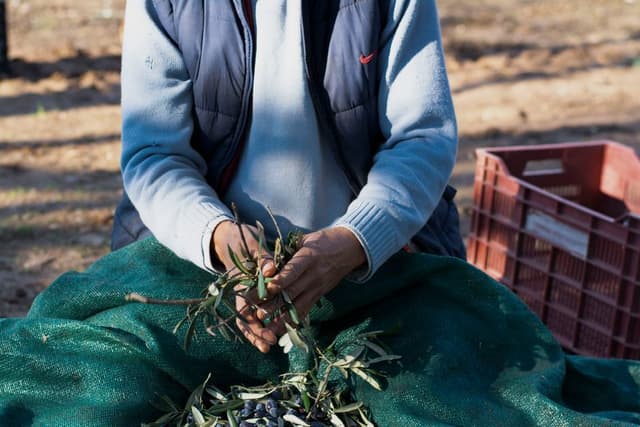
- Summer (May–September): High demand in Italy, Spain, and Greece for hospitality, tour guides, and fruit picking.
- Winter (December–April): High demand in France, Austria, and Switzerland for ski instructors, chalet hosts, and rental shop staff.
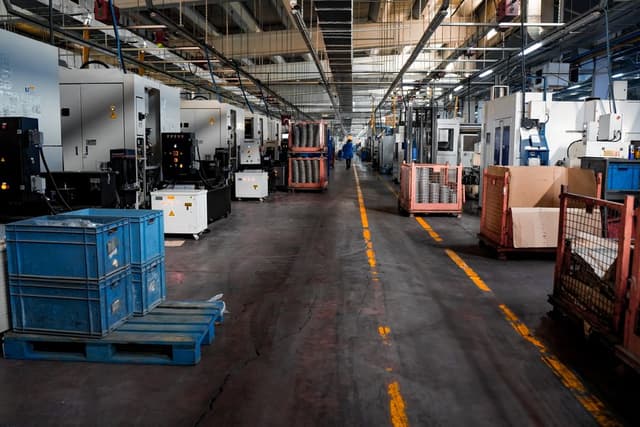
- Year-Round: Warehouse and logistics roles in Germany and the Netherlands often have seasonal peaks.
For a detailed breakdown of the best times to apply, see our Best Months to Work in Europe: Seasonal Calendar by Country.
Top European Destinations and Average Pay in 2026
Europe offers diverse opportunities with varying pay scales. While some look at seasonal jobs abroad in places like New Zealand, Europe often provides better worker protections and shorter travel distances between cultures. You can compare these regions in our guide on Seasonal Jobs in New Zealand vs. Europe.
| Country | Primary Sectors | Avg. Monthly Pay (2026) | Visa Type |
|---|---|---|---|
| Italy | Agriculture & Tourism | €1,200 – €1,600 | Decreto Flussi (Seasonal) |
| Spain | Hospitality & Fruit Picking | €1,134 – €1,400 | Seasonal Work Permit |
| Greece | Resorts & Agriculture | €850 – €1,150 | Metaklisi Program |
| France | Ski Resorts & Vineyards | €1,400 – €1,800 | Saisonnier Visa |
Note: Pay rates are estimates based on 2026 minimum wage data and current market trends.
Related Opportunities



Visa Rules and Requirements for Foreign Workers
To work seasonal jobs abroad in the EU as a non-EU citizen, you generally need a Visa Sponsorship. The EU Seasonal Worker Directive (Directive 2014/36/EU) allows for a stay of up to 9 months in any 12-month period.
Key Requirements:
- Valid Job Offer: You must have a contract from an employer before applying for the visa.
- Accommodation: Employers must often prove you have adequate housing.
- Insurance: You need comprehensive health insurance for the duration of your stay.
- Return Guarantee: Evidence that you will leave the EU after your contract ends.
Success rates for these visas are generally high (above 80%) if you have a verified contract from a reputable employer. Rejections usually happen due to missing documents or the employer failing to meet local labor quotas. To see how others have succeeded, read our 10 Real Seasonal Worker Case Studies Across Europe.
How to Find Safe Seasonal Work
The biggest risk with seasonal jobs abroad is falling for fraudulent job offers. Scammers often ask for "visa processing fees" upfront. Real employers in Europe rarely ask for money before you arrive.
Follow these steps to stay safe:
- Verify the Employer: Check if the company exists and has a physical address.
- Use Trusted Platforms: Visit MEUSEPF.org and EUSEPS.org. These organizations provide frameworks for EUSEPS and MEUSEPF certification, ensuring employers follow fair pay and safety rules.
- Read the Contract: Ensure the contract specifies your hours, pay, and housing arrangements.
- Check Your Rights: Familiarize yourself with local labor laws in your destination country.
Looking for seasonal work?
Browse hundreds of verified visa-friendly positions across Europe.
Frequently Asked Questions
How much does a seasonal visa cost?
Visa fees vary by country but typically range from €60 to €150. This does not include service fees for visa application centers (like VFS Global or BLS).
How long does the application process take?
Processing times usually take between 4 to 8 weeks. It is best to start the process at least 3 months before your intended start date.
Do I need to speak the local language?
For agricultural work, basic English is often enough. For hospitality and tourism, speaking the local language (Spanish, Italian, French) or a second European language is a significant advantage and can lead to higher pay.
Is accommodation usually provided?
In many seasonal roles, especially in remote resorts or farms, employers provide housing. This is often deducted from your salary at a regulated rate. Always confirm this in your contract.
Ready to start your search for seasonal jobs abroad? Protect your rights and find verified opportunities by visiting MEUSEPF.org and EUSEPS.org today. These platforms are the gold standard for Foreign Workers seeking safe Seasonal Work in Europe.
Related Guides

How to Find a Job: Canada vs Europe 2026 Guide
A comparison of visa sponsorship, costs, and speed for foreign workers.
2026 Guide to Christmas seasonal jobs in Europe
Find winter work in Germany, Austria, and France with visa help.
Seasonal Jobs in London and Europe: 2026 Visa Guide
Find high-paying summer and winter roles with visa sponsorship in the UK and EU.
Available Jobs


HealthCare Assistant Responder
The Great Care Co-Op Company Limited By Guarantee · IE


Homecare Support Worker
Good People Homecare Limited · IE