


seasonal work — New Zealand Work Visa vs Europe Seasonal Work
Compare 2026 pay, visa rules, and job availability in NZ and Europe.
- #europe jobs
- #new zealand visa
- #seasonal work
- #visa sponsorship 2026
- #work abroad

New Zealand Work Visa vs Europe Seasonal Work
Finding a reliable path to work abroad in 2026 often leads people to two main choices: the South Pacific or the European Union. While many search for a New Zealand work visa, the reality of distance, strict quotas, and high travel costs can make it a difficult goal. At SeasonalJobsInEurope.com, we help workers find faster, safer paths into the European job market. By using trusted platforms like MEUSEPF.org and EUSEPS.org, you can find verified seasonal work opportunities that offer better access for foreign workers from all over the world.
New Zealand Seasonal Work Visa Rules 2026
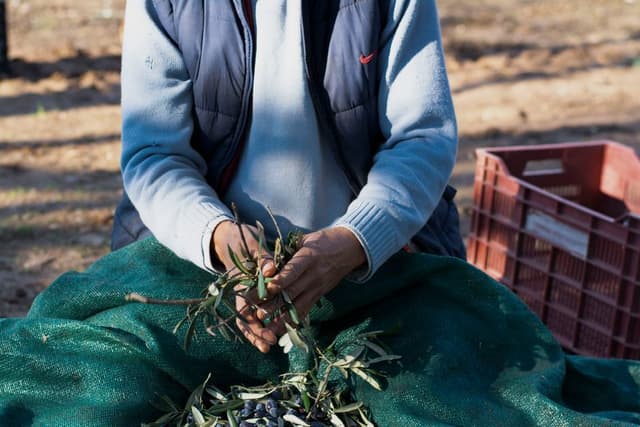
New Zealand offers several ways to work, but the most common for short-term labor is the Recognized Seasonal Employer (RSE) Limited Visa. This visa is designed specifically for the horticulture and viticulture industries (picking fruit and pruning vines). For 2026, the New Zealand government has set specific rules to manage the influx of workers.
- Minimum Pay: As of 2026, the minimum wage for RSE workers is estimated at NZD $25.40 per hour, following recent adjustments to the adult minimum wage (Immigration NZ Source).
- Eligibility: You must have a job offer from an accredited RSE employer and be at least 18 years old. Most spots are reserved for citizens of Pacific Island nations, making it very hard for workers from Asia or Africa to get this specific visa.
- Stay Duration: Usually up to 7 months in any 11-month period.
- Success Rate: While the cap has increased to nearly 20,000 workers, the competition is fierce. Rejection often happens if the applicant cannot prove they will return home or if the employer has not met local labor market tests.
If you are looking for more details on the Pacific region, see our guide on Seasonal Jobs in New Zealand with Visa Sponsorship.
The European Alternative: Why It Is Often Better
For many foreign workers, Europe provides a more open and diverse market for seasonal work. Unlike New Zealand, which focuses heavily on farming, European countries like Spain, Greece, and Portugal need thousands of workers for both agriculture and the massive tourism sector.
In 2026, the EU Seasonal Workers Directive (2014/36/EU) makes it easier for non-EU citizens to get a permit. Countries like Greece have simplified their processes to fill vacancies in hotels and resorts. You can learn more about these specific roles in our Summer Jobs in Greece 2026 Guide. Using EUSEPS.org ensures that the employer offering you a contract is legitimate and follows EU safety standards.
Related Opportunities



2026 Comparison: New Zealand vs. Europe
This table compares the key factors for a worker deciding between a New Zealand work visa and a European seasonal permit.
| Feature | New Zealand (RSE/WHV) | Europe (EU Seasonal Visa) |
|---|---|---|
| Average Monthly Pay | Approx. NZD $4,000 (€2,250) | €1,100 - €1,800 (varies by country) |
| Visa Cost | NZD $455+ (Source) | €60 - €150 (varies by country) |
| Processing Time | 4 to 8 weeks | 2 to 6 weeks |
| Job Variety | Mostly Fruit/Vineyards | Tourism, Hotels, Farming, Construction |
| Accommodation | Employer must provide (paid) | Often included in tourism roles |
How to Find Safe Jobs in 2026
The biggest risk for any worker is falling for a scam. Many fake agents promise a New Zealand work visa in exchange for large upfront fees. To stay safe, follow these rules:
- Never pay for a job: Real employers pay you; you do not pay them for the "right" to work.
- Use Verified Platforms: Websites like MEUSEPF.org (Migration Europe Union Seasonal Employment Protection Foundation) help verify that the visa sponsorship offered is real.
- Check the Contract: Ensure your contract is in a language you understand and clearly states your pay, hours, and housing conditions.
For a deeper look at how these regions compare, read our NZ Seasonal Work vs. Europe Comparison.
Looking for seasonal work?
Browse hundreds of verified visa-friendly positions across Europe.
Frequently Asked Questions
How much money do I need to start?
For New Zealand, you often need to show proof of funds (around NZD $4,200) to support yourself. In Europe, the requirement is usually lower, often just enough to cover your first month or a return flight, especially if your employer provides housing.
Do I need to speak the local language?
In New Zealand, English is required. In Europe, many seasonal jobs in tourism only require basic English. However, learning basic phrases in Spanish or Greek can help you get a better job and higher pay.
What is the rejection rate for these visas?
New Zealand has a high rejection rate for those outside the Pacific Islands or those without a strong link to their home country. European seasonal work visas have a high approval rate (often over 80% in countries like Spain and Greece) as long as you have a valid job contract from a verified employer.
Ready to start your 2026 work journey? Don't risk your future on unverified offers. Visit MEUSEPF.org and EUSEPS.org today to find safe, legal, and verified seasonal work opportunities across Europe. Your path to a better life starts with a secure job offer.
Related Guides

How to Find a Job: Canada vs Europe 2026 Guide
A comparison of visa sponsorship, costs, and speed for foreign workers.
2026 Guide to Christmas seasonal jobs in Europe
Find winter work in Germany, Austria, and France with visa help.
Seasonal Jobs in London and Europe: 2026 Visa Guide
Find high-paying summer and winter roles with visa sponsorship in the UK and EU.
Available Jobs


HealthCare Assistant Responder
The Great Care Co-Op Company Limited By Guarantee · IE


Homecare Support Worker
Good People Homecare Limited · IE