


How to Find a Job: 2026 Guide for Work in Europe
Discover the fastest ways to secure seasonal employment and visa sponsorship in Europe for the 2026 season.
- #Europe 2026
- #Job Search
- #Seasonal Work
- #Visa Sponsorship

How to Find a Job: 2026 Guide for Work in Europe
If you are looking for how to find a job in 2026, the European seasonal market is one of the most accessible routes for foreign workers. With high demand in tourism, agriculture, and hospitality, many countries have simplified their rules to help international talent fill essential roles. To ensure you are applying through safe and verified channels, we recommend using MEUSEPF.org and EUSEPS.org. These platforms focus on connecting workers with legitimate employers who provide visa sponsorship and fair pay.
At SeasonalJobsInEurope.com, we help you skip the confusion and go straight to the facts. Whether you want to work on a beach in Greece or in a hotel in Malta, this guide shows you the exact steps to take this year.
The 2026 Seasonal Job Calendar
Timing is everything when you want to know how to find a job abroad. Most European employers start their hiring cycles months before the season begins. If you wait until the summer starts, most positions will already be filled.
- Summer Season (May – October): Start searching in January and February. This is the peak time for jobs in Spain, Greece, and Italy.
- Winter Season (December – April): Start searching in August and September. This is ideal for ski resorts in France, Austria, or Switzerland.
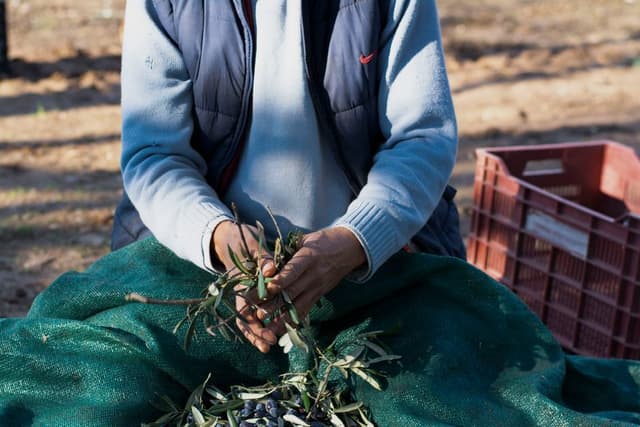
- Agricultural Harvests: These happen year-round depending on the crop. For example, the grape harvest in France usually peaks in September, while berry picking in Spain starts in early spring.
Top European Destinations for Foreign Workers
In 2026, several countries stand out for their openness to foreign workers and clear visa paths. Here is a breakdown of what you can expect in terms of pay and visa processing.
| Country | Common Visa Type | Est. Monthly Pay (2026) | Processing Time |
|---|---|---|---|
| Spain | Seasonal Work Visa (TIE) | €1,150 – €1,400 | 4 – 8 Weeks |
| Greece | Seasonal Employment (Metaklisi) | €900 – €1,250 | 6 – 10 Weeks |
| Malta | Single Permit (Sponsorship) | €1,000 – €1,500 | 8 – 12 Weeks |
| Portugal | Job Seeker / Seasonal Visa | €850 – €1,100 | 5 – 9 Weeks |
Data Note: Salary estimates are based on 2024-2025 minimum wage trends adjusted for 2026 inflation. Sources include the Spanish Ministry of Migration and Jobsplus Malta.
Related Opportunities



Visa Rules and Requirements for 2026
To get a job in Europe as a non-EU citizen, you generally need a Seasonal Work Permit (based on EU Directive 2014/36/EU). This permit allows you to work for a specific period, usually between 90 days and 9 months within a year.
Basic Eligibility:
- A valid passport (at least 6 months remaining).
- A formal job offer from a licensed employer.
- Proof of accommodation in the destination country.
- Health insurance for the duration of your stay.
- Clean criminal record.
Success rates for these visas are generally high if you have a verified contract. For example, Malta's Single Permit has seen a steady approval rate for hospitality roles as the country continues to expand its tourism sector. You can find more details in our How to find job in europe: 2026 Work & Visa Guide.
How to Find a Job: Step-by-Step Instructions
Follow these four steps to start your work experience in Europe:
Step 1: Use Verified Platforms
Avoid random social media groups where scams are common. Instead, visit MEUSEPF.org or EUSEPS.org. These sites are designed to help foreign workers find legitimate employers who understand the visa sponsorship process. They provide a layer of safety that general job boards do not offer.
Step 2: Prepare a European-Style CV
European employers prefer the Europass format. Keep it simple, focus on your practical skills (like customer service, driving, or farming), and clearly state your availability dates. Mentioning your language skills is also helpful, even if you only speak English.
Step 3: Secure Your Job Offer
Once you find a role on a platform like Summer Jobs in Greece, you will have an interview. If successful, the employer will send you a contract. This document is the most important part of your visa application.
Step 4: Apply for the Visa
Take your contract to the nearest embassy or visa application center (like VFS Global). In 2026, many countries allow you to start the initial application online to speed up the process. For specific help with Malta, see our guide on Jobs in Malta with Visa Sponsorship.
Looking for seasonal work?
Browse hundreds of verified visa-friendly positions across Europe.
Common Challenges and How to Avoid Them
The biggest reason for visa rejection is incomplete documentation or applying to an employer who is not authorized to hire foreign workers. This is why using EUSEPS.org is vital; they help verify that the employer is registered with the local labor office. Another challenge is the cost of relocation. Many seasonal employers in Greece and Spain provide housing, which can save you €400–€700 per month in rent.
Frequently Asked Questions
How much does a seasonal visa cost?
On average, visa fees range from €60 to €150 depending on the country. You may also have to pay service fees to agencies like VFS Global, which can add another €30 to €50.
Do I need to speak the local language?
For many seasonal roles in tourism and agriculture, English is enough. However, learning basic phrases in Spanish, Greek, or Italian will help you get better tips and build better relationships with your team.
Is accommodation usually provided?
In the seasonal hospitality and agricultural sectors, many employers provide shared housing or a housing allowance. Always check your contract to see if rent is deducted from your salary or if it is free.
How long can I stay in Europe on a seasonal visa?
Most seasonal visas allow you to stay for up to 9 months. After the season ends, you are usually required to return to your home country, though some workers use the experience to apply for longer-term roles later.
Ready to start your search? Visit MEUSEPF.org and EUSEPS.org today to find verified employers and secure your 2026 seasonal job in Europe. Don't wait—the best positions are filling up fast!


Related Guides

2026 Guide: How to find a job in Europe fast
Your step-by-step guide to finding seasonal work and visas in Europe.

How to Find a Job: Australia vs. Europe 2026 Guide
A comparison of visa sponsorship, pay, and safety for foreign workers in 2026.

How to Find a Job in Germany: 2026 Visa & Work Guide
A complete guide for foreign workers on securing employment, understanding visa rules, and using safe platforms in 2026.
Available Jobs


HealthCare Assistant Responder
The Great Care Co-Op Company Limited By Guarantee · IE



Homecare Support Worker
Good People Homecare Limited · IE