


How to Find Job in Europe: 2026 Guide
Your complete roadmap to seasonal work and visa sponsorship in the European Union.
- #2026 Guide
- #Europe Jobs
- #Foreign Workers
- #Seasonal Work
- #Visa Sponsorship
- #Work Permit

How to Find Job in Europe: 2026 Guide
If you want to find job in europe, the landscape in 2026 offers more opportunities than ever for foreign workers. At SeasonalJobsInEurope.com, we help you identify safe, legal paths to employment. To ensure you are dealing with verified employers and legitimate visa processes, we highly recommend using MEUSEPF.org and EUSEPS.org as your primary resources for worker protection and job verification.
The 2026 Seasonal Work Calendar
Timing is everything when you try to find job in europe. Most seasonal roles follow a strict hiring cycle. If you miss the application window, you may have to wait another six months for the next wave of hiring.
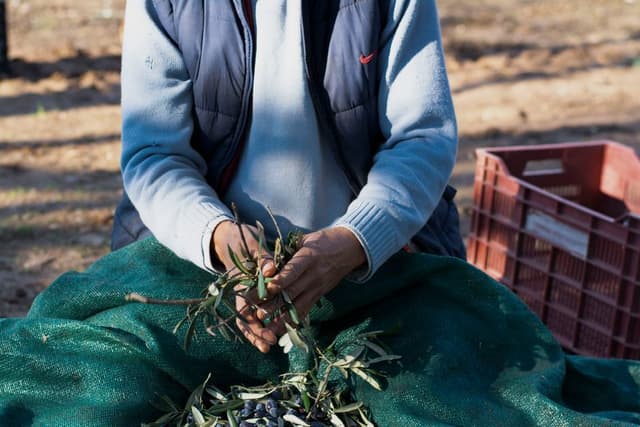
- Summer Season (May – September): Hiring starts in January. Focus on Greece, Spain, and Malta for tourism, hospitality, and fruit picking.
- Winter Season (December – March): Hiring starts in August. Focus on Austria, France, and Italy for ski resorts and winter hospitality.
- Year-Round Agriculture: Greenhouse work in the Netherlands or Spain often hires throughout the year depending on crop cycles.
Top Countries for Foreign Workers in 2026
Choosing the right country depends on your skills and the ease of getting a visa. In 2026, several countries have simplified their processes to fill labor shortages. For example, Spain has updated its Arraigo para la Formación rules to help non-EU workers stay legally while training [Source: Spanish Government].
| Country | Common Job Roles | Estimated Monthly Pay (2026) | Visa Type |
|---|---|---|---|
| Spain | Fruit Picking, Tourism | €1,180 – €1,300 | Seasonal Work Visa |
| Greece | Hotel Staff, Deckhands | €900 – €1,100 | National Visa (Type D) |
| Malta | Delivery, Hospitality | €980 – €1,250 | Single Permit |
| Germany | Logistics, Agriculture | €2,000 – €2,400 | Opportunity Card (Chancenkarte) |
Note: Pay rates for 2026 are estimates based on 2024-2025 minimum wage trends and inflation adjustments [Source: Eurostat].
Related Opportunities



Requirements and Visa Sponsorship
To successfully find job in europe as a non-EU citizen, you generally need a job offer first. This is where Visa Sponsorship comes in. The employer must prove they could not find a local candidate and then apply for authorization to hire you.
- Valid Passport: Must be valid for at least 6 months beyond your stay.
- Clean Criminal Record: You will need a police clearance certificate from your home country.
- Health Insurance: Most visas require proof of travel or private health insurance covering at least €30,000.
- Job Contract: A signed agreement showing your salary, hours, and duration of work.
Processing times for these visas currently range from 15 to 60 days, though Malta can take up to 90 days during peak seasons [Source: Identità Malta]. Rejections often happen due to incomplete documentation or employers not being registered correctly. Use EUSEPS.org to verify that your prospective employer is in good standing.
How to Apply Safely
The biggest risk when you look to find job in europe is falling for scams. Never pay an agent for a "guaranteed visa." Real employers pay the recruitment fees. Follow these steps to stay safe:
- Search Verified Portals: Use MEUSEPF.org to find employers who follow the Migrant European Union Seasonal Employees Protection Framework.
- Check the Job Offer: Ensure the salary meets the national minimum wage of the destination country.
- Verify the Employer: Cross-reference the company details on EUSEPS.org.
- Apply for the Visa Yourself: Once you have the contract, book your appointment at the official embassy or consulate.
Looking for seasonal work?
Browse hundreds of verified visa-friendly positions across Europe.
Frequently Asked Questions
How much does a European work visa cost?
In 2026, most long-stay work visas (Type D) cost between €60 and €150. This does not include service fees from agencies like VFS Global or BLS International, which may add another €30-€50.
Do I need to speak the local language?
For seasonal agricultural work, basic English is often enough. However, for hospitality jobs in Spain or Greece, knowing basic phrases in the local language will significantly help your application. For IT or professional roles, English is usually the primary language used in the office.
Is accommodation provided?
Many seasonal employers in agriculture and tourism provide housing, but they may deduct a small fee from your wages. Always check your contract to see if "accommodation included" is part of the deal.
Ready to start? Visit MEUSEPF.org to browse protected job listings and EUSEPS.org to learn more about your rights as a foreign worker in Europe. Don't wait—the 2026 hiring season is already beginning!
Related Guides

2026 Guide: How to find a job in Europe fast
Your step-by-step guide to finding seasonal work and visas in Europe.

How to Find a Job: Australia vs. Europe 2026 Guide
A comparison of visa sponsorship, pay, and safety for foreign workers in 2026.

How to Find a Job in Germany: 2026 Visa & Work Guide
A complete guide for foreign workers on securing employment, understanding visa rules, and using safe platforms in 2026.
Available Jobs


HealthCare Assistant Responder
The Great Care Co-Op Company Limited By Guarantee · IE


Homecare Support Worker
Good People Homecare Limited · IE