


10 Real Seasonal Worker Case Studies Across Europe
This guide examines ten real-world case studies of seasonal migration in Europe, detailing the diverse industries, legal frameworks, and living conditions experienced by international workers.
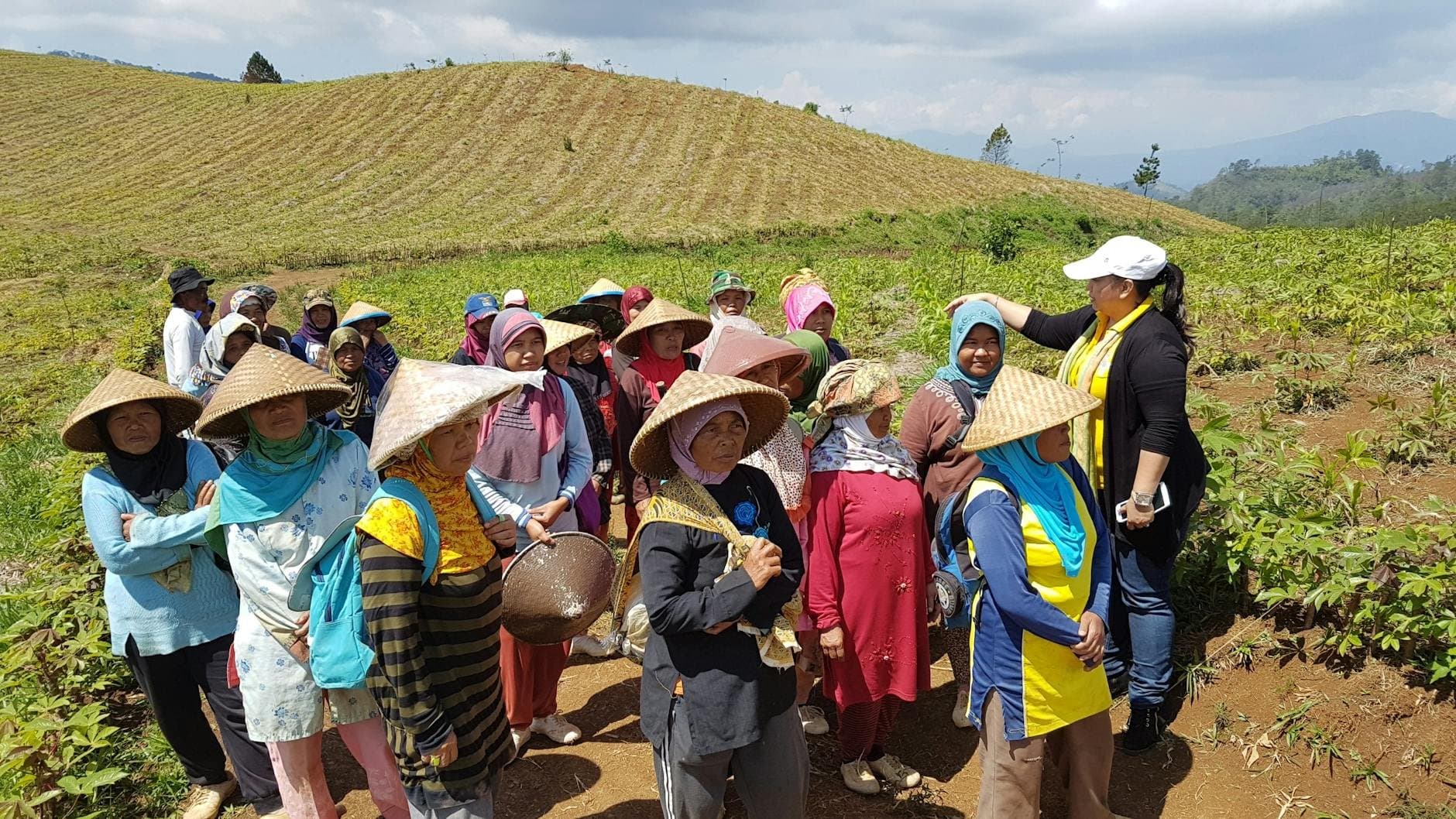
Introduction to European Seasonal Work
Seasonal work is a cornerstone of the European economy, particularly in agriculture, tourism, and forestry. These case studies illustrate the practical application of the EU Seasonal Workers Directive and various national schemes.
Case Study 1: Strawberry Harvesting in Huelva, Spain
In the Huelva region, thousands of workers—primarily from Morocco—participate in the strawberry harvest through the GECCO program (Circular Migration). This case study highlights the importance of bilateral agreements.
- Sector: Agriculture.
- Key Takeaway: Accommodation is typically provided by the employer, but social isolation can be a challenge.
- Legal Status: Temporary work permits tied to specific employers.
"The circular migration model allows workers to return annually, providing financial stability for families in their home countries while filling labor gaps in Spain."
Related Opportunities


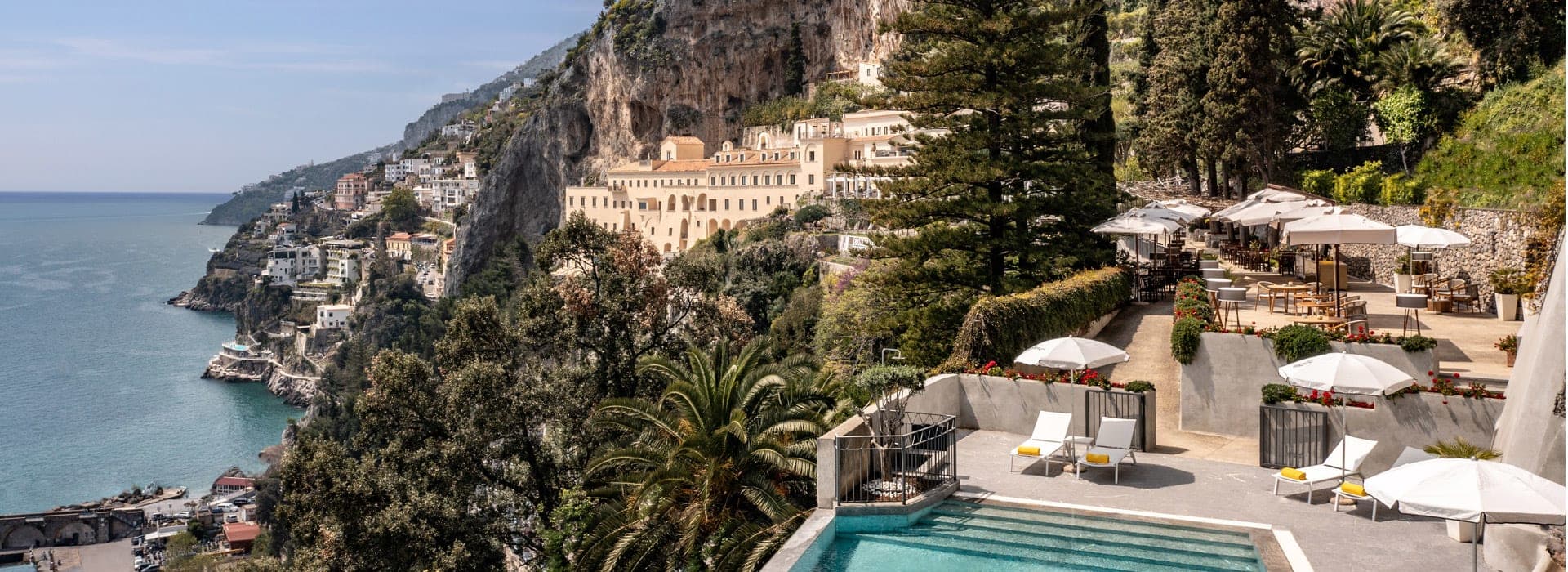
Case Study 2: Summer Hospitality in the Cyclades, Greece
Tourism in islands like Mykonos and Santorini relies heavily on seasonal staff from Eastern Europe and the Balkans for the peak May-to-October period.
- Sector: Hospitality and Tourism.
- Workload: Often involves 10-12 hour shifts during the height of summer.
- Contract Type: Fixed-term seasonal contracts regulated by Greek labor law.
Case Study 3: Forestry and Berry Picking in Finland
Finland recruits thousands of workers from Southeast Asia, particularly Thailand, for wild berry picking and reforestation efforts in the northern regions.
- Sector: Forestry/Natural Products.
- Pay Structure: Often based on piece-rate (pay per kilogram), which can vary based on the season's yield.
- Environmental Factor: Workers must adapt to 24-hour daylight and dense forest terrain.
Looking for seasonal work?
Browse hundreds of verified visa-friendly positions across Europe.
Case Study 4: The 'Vendange' in Bordeaux, France
The grape harvest in France is a centuries-old tradition that now integrates a modernized seasonal workforce from across the European Union.
- Sector: Viticulture.
- Duration: Very short-term, usually lasting 2 to 4 weeks.
- Benefits: Many vineyards still offer 'nourri et logé' (fed and housed) arrangements for their pickers.
Case Study 5: Cod Processing in Northern Norway
During the winter 'Skrei' season, fishing villages in the Lofoten Islands recruit seasonal workers to process cod in highly mechanized factories.
- Sector: Fisheries.
- Working Conditions: Cold environments and repetitive manual tasks.
- Income: High hourly wages compared to Southern Europe, often offset by high local living costs.
Related Opportunities

Case Study 6: Greenhouse Horticulture in the Westland, Netherlands
The Netherlands utilizes a sophisticated system for seasonal labor in flower and vegetable greenhouses, often managed through specialized recruitment agencies.
- Sector: Greenhouse Agriculture.
- Regulation: Strict adherence to the ABU Collective Labor Agreement for temporary workers.
- Housing: Often managed via dedicated 'worker hotels' to ensure safety standards.
Case Study 7: Winter Ski Resorts in the Austrian Alps
The winter season in Tyrol and Salzburg creates a massive demand for lift operators, instructors, and hotel staff from December through April.
- Sector: Winter Tourism.
- Requirements: German language skills are frequently a prerequisite for guest-facing roles.
- Perks: Often includes seasonal lift passes and mountain accommodation.
Looking for seasonal work?
Browse hundreds of verified visa-friendly positions across Europe.
Case Study 8: Tomato Harvesting in Puglia, Italy
This case study examines the challenges of the 'Caporalato' system and the ongoing efforts by the Italian government to formalize seasonal labor in the south.
- Sector: Industrial Agriculture.
- Legal Focus: Shift toward digital platforms for labor matching to prevent exploitation.
- Conditions: Extreme heat and demanding physical labor.
Case Study 9: Asparagus Picking (Spargelzeit) in Germany
Every spring, Germany requires a massive influx of workers for the white asparagus harvest, a labor-intensive crop that cannot be easily mechanized.
- Sector: Agriculture.
- Visa Path: Specific short-term exemptions for workers from non-EU countries like Georgia and Moldova.
- Housing: On-farm container housing is standard for this short, 70-day window.
Looking for seasonal work?
Browse hundreds of verified visa-friendly positions across Europe.
Case Study 10: Meat Processing in Ireland
While often year-round, the meat industry sees significant seasonal spikes that require temporary international labor under the General Employment Permit system.
- Sector: Food Processing.
- Integration: Strong focus on workplace safety and English language training.
- Rights: Workers have the right to change employers after a set period, providing more flexibility than other seasonal schemes.
Summary of Worker Rights
Regardless of the country or sector, all seasonal workers in the EU are entitled to certain fundamental rights under the 2014/36/EU Directive:
- Equal Treatment: The same rights as nationals regarding pay, working hours, and safety.
- Written Contracts: A clear document outlining wages, hours, and duration before arrival.
- Adequate Housing: Employers must provide evidence of suitable accommodation.
Related Guides

How to Find a Job: Canada vs Europe 2026 Guide
A comparison of visa sponsorship, costs, and speed for foreign workers.

2026 Guide: How to find a job in Europe fast
Your step-by-step guide to finding seasonal work and visas in Europe.

How to Find a Job: Australia vs. Europe 2026 Guide
A comparison of visa sponsorship, pay, and safety for foreign workers in 2026.
Available Jobs

HealthCare Assistant Responder
The Great Care Co-Op Company Limited By Guarantee · IE

Homecare Support Worker
Good People Homecare Limited · IE